
When the teachers at Brighter Tomorrow were given the task of introducing safe physical games within the premises, they took the responsibility seriously. They began researching and exploring different possibilities, determined to find suitable activities for the children.
A few days later, I visited Brighter Tomorrow with Basir and our friend and volunteer, Mr. Ali Saif from Camouflage Studios. The teachers welcomed us and proudly presented a carefully prepared list of exotic games they had discovered. The list was impressive, full of ideas that one would expect in well-equipped schools. Curious, we asked a simple question: “Did the children suggest these games?” Despite being trained in good listening, the teachers replied gently, “They are too young for that.”
To demonstrate how important it is to listen to children, we decided to sit with the youngest among them and simply talk. At first, they were shy, but slowly their faces lit up as they began sharing stories of the games they played in their streets and neighborhoods.
One child explained how they divide into two teams. One team walks ahead, quietly marking walls and stones with pieces of coal. The other team follows, searching for those hidden marks. Then they switch roles. The excitement, they said, is in the chase—and in winning by finding the most marks. But they also told us that elders discourage this game because it leaves marks on walls and doors, which are seen as disrespectful and damaging.
Another child described how they make playing cards from empty cigarette packs. What adults saw as trash, they transformed into something valuable. Yet they knew this game too was discouraged, as elders feared it could lead to gambling habits later in life.
They also spoke of a game played with small sticks, where the loser would receive a light slap on the head as a playful penalty. Even they understood why elders discouraged it—the head, they said, is the place of knowledge and must be treated with respect.
And then they spoke about Chindro.
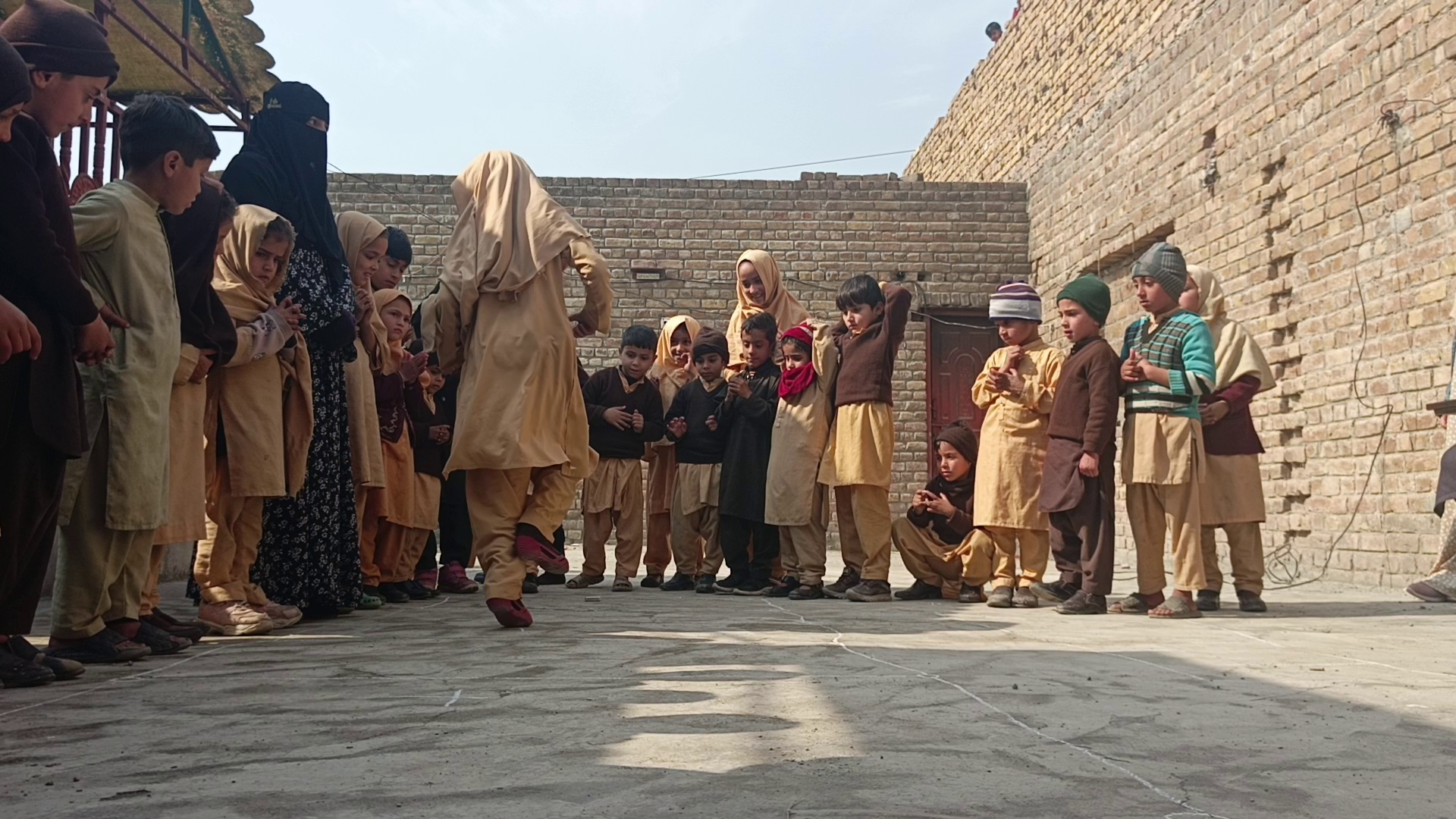
With bright eyes and quiet confidence, they described drawing grids on the ground, throwing a small stone, and hopping on one foot while pushing it forward. It was a game of balance, concentration, and pride. It required no money, caused no damage, and harmed no one. At one point, a boy remarked that it was a game for girls. Immediately, other boys corrected him and said they played it too, alongside the girls.
When asked which game they would prefer to play within the safety of Brighter Tomorrow, they chose Chindro themselves.
The decision was not just spoken—it was acted upon.
The children went up to the rooftop and carefully drew the squares using chalk. They filled an empty matchbox with small stones to use as markers. Soon, the game began. Some children took turns hopping through the grid, while others guided, clapped, cheered, and occasionally tried to distract the player, adding laughter and excitement to the moment.
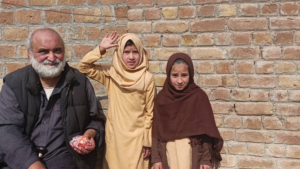
At the end, two winners emerged. They were given a packet of sweets as a prize. But what followed was perhaps the most meaningful moment of all, the winners shared the sweets with the rest of the children, keeping only a small portion for themselves.
In that moment, there were no losers. All the children were winners.
And now, they look forward to practicing again, for their next tournament.
In that moment, it became clear to the teachers that the children did not lack ideas, wisdom, or judgment. They understood their world, its limits, and its values.
What they needed was not exotic games from faraway places. What they needed was to be heard. That day, the children were not just participants. They were teachers.